
Japan Travel Guide 2026: What You Need to Know Before Planning Your Trip
If Japan has been sitting on your bucket list… you’re not alone.
Right now, Japan is one of the most in-demand international destinations, and for good reason. It’s a place where you can walk through centuries-old temples in the morning and be in a neon-lit city by night. It’s clean, safe, incredibly organized, and packed with experiences you won’t find anywhere else.
But here’s the part most people don’t realize…
Japan is also one of the most complex destinations to plan correctly, especially for first-time visitors.
This guide breaks down exactly what you need to know before you go.
Why Everyone Is Traveling to Japan Right Now
Japan has become a top travel destination due to a combination of factors:
Strong reputation for safety and cleanliness
Efficient and reliable transportation systems
Unique mix of culture, food, nature, and modern cities
Increased accessibility for international travelers
It’s also a destination that works for a wide range of travelers:
Couples
Families
First-time international travelers
Repeat travelers looking for deeper cultural experiences
Where to Go in Japan (The Highlights)
Tokyo: Fast-Paced, Iconic, and Full of Energy
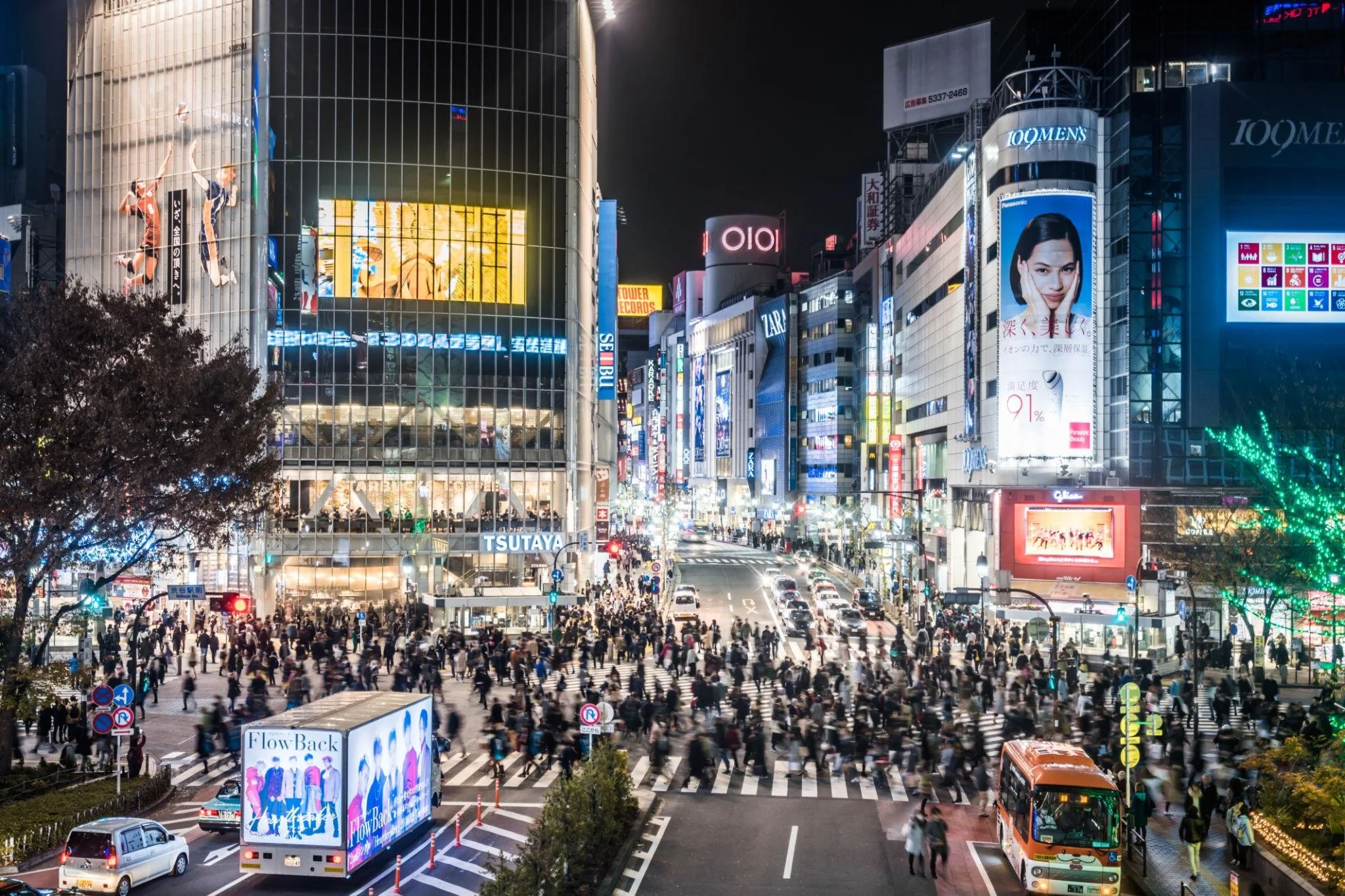
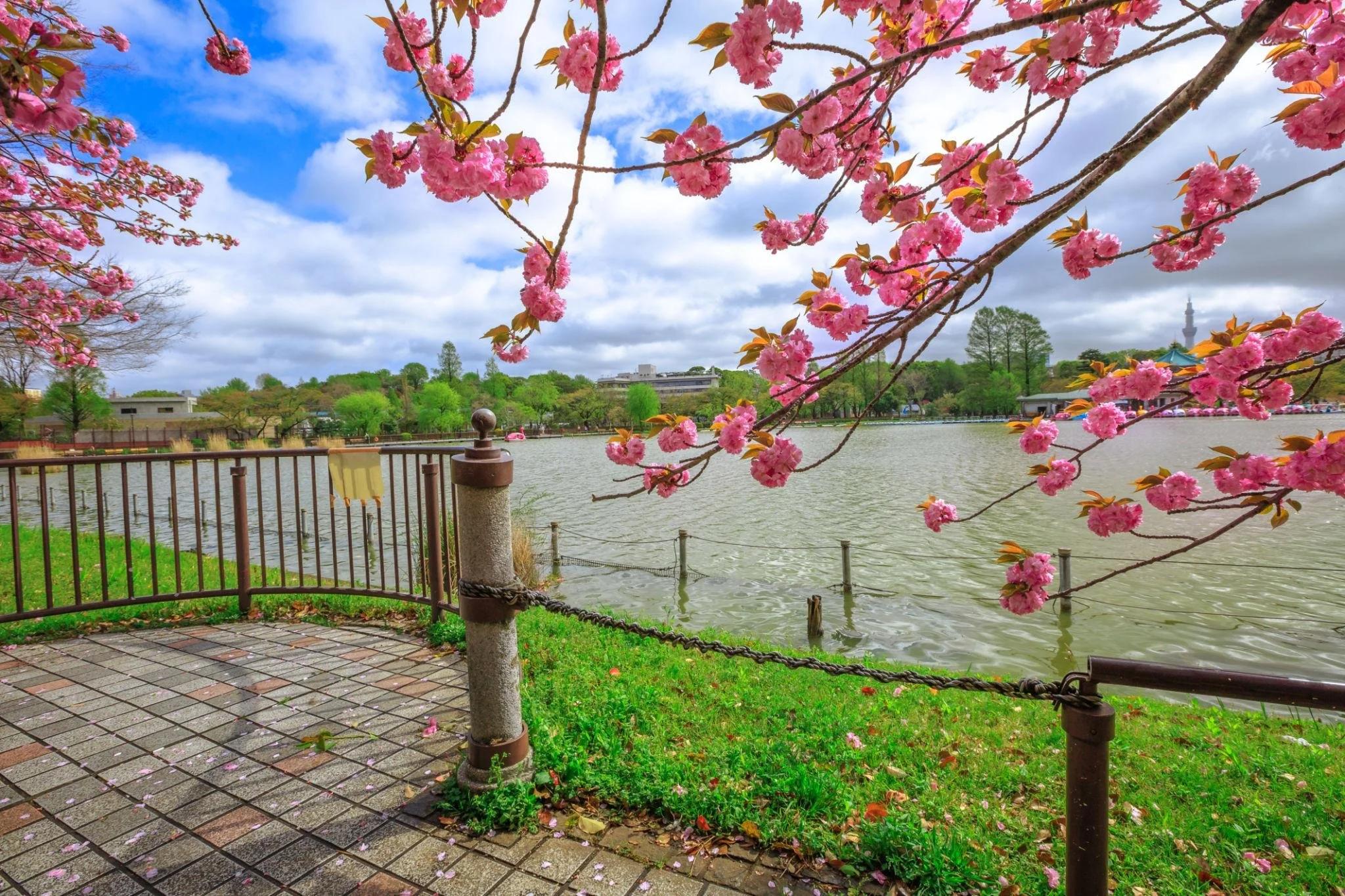
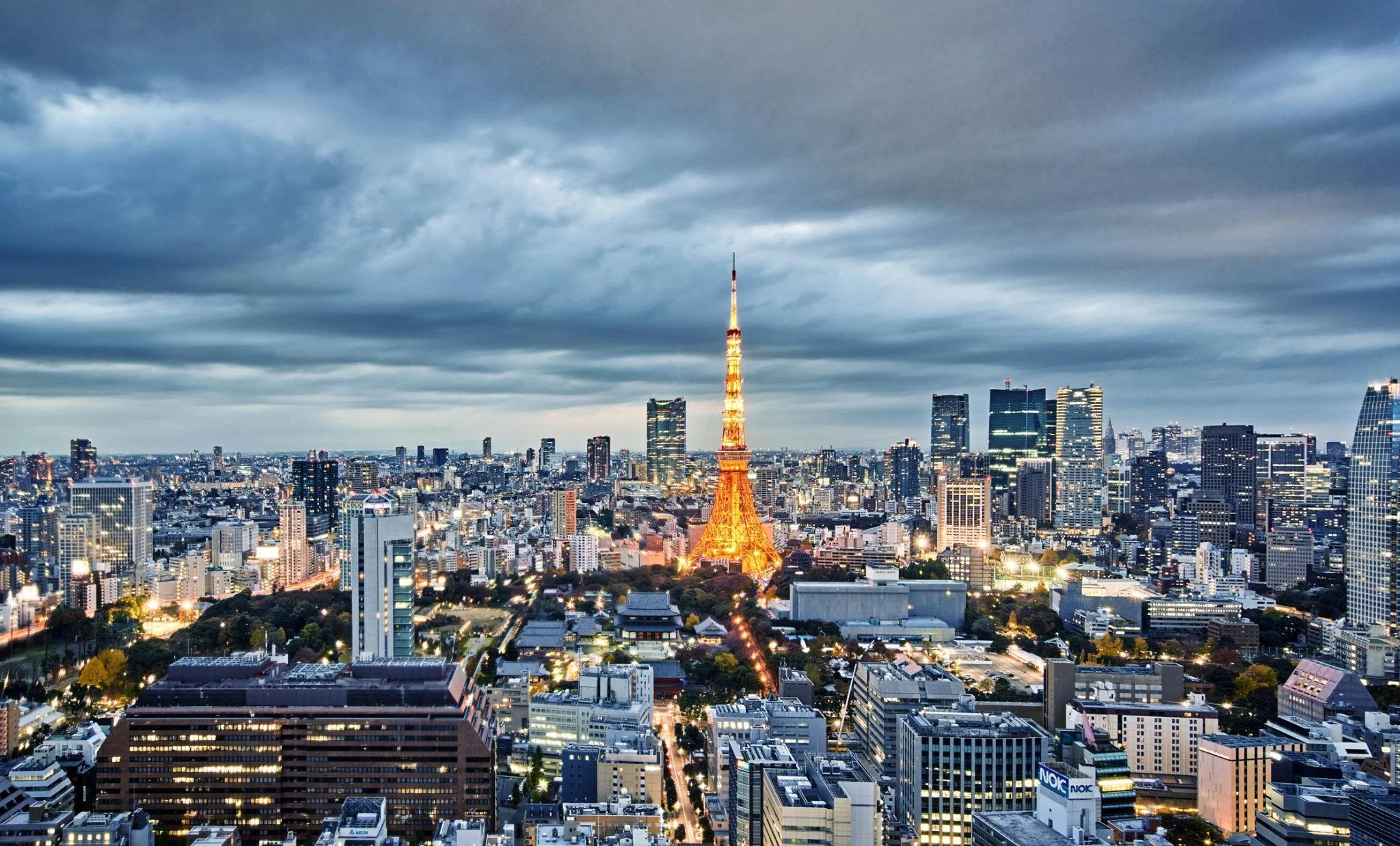
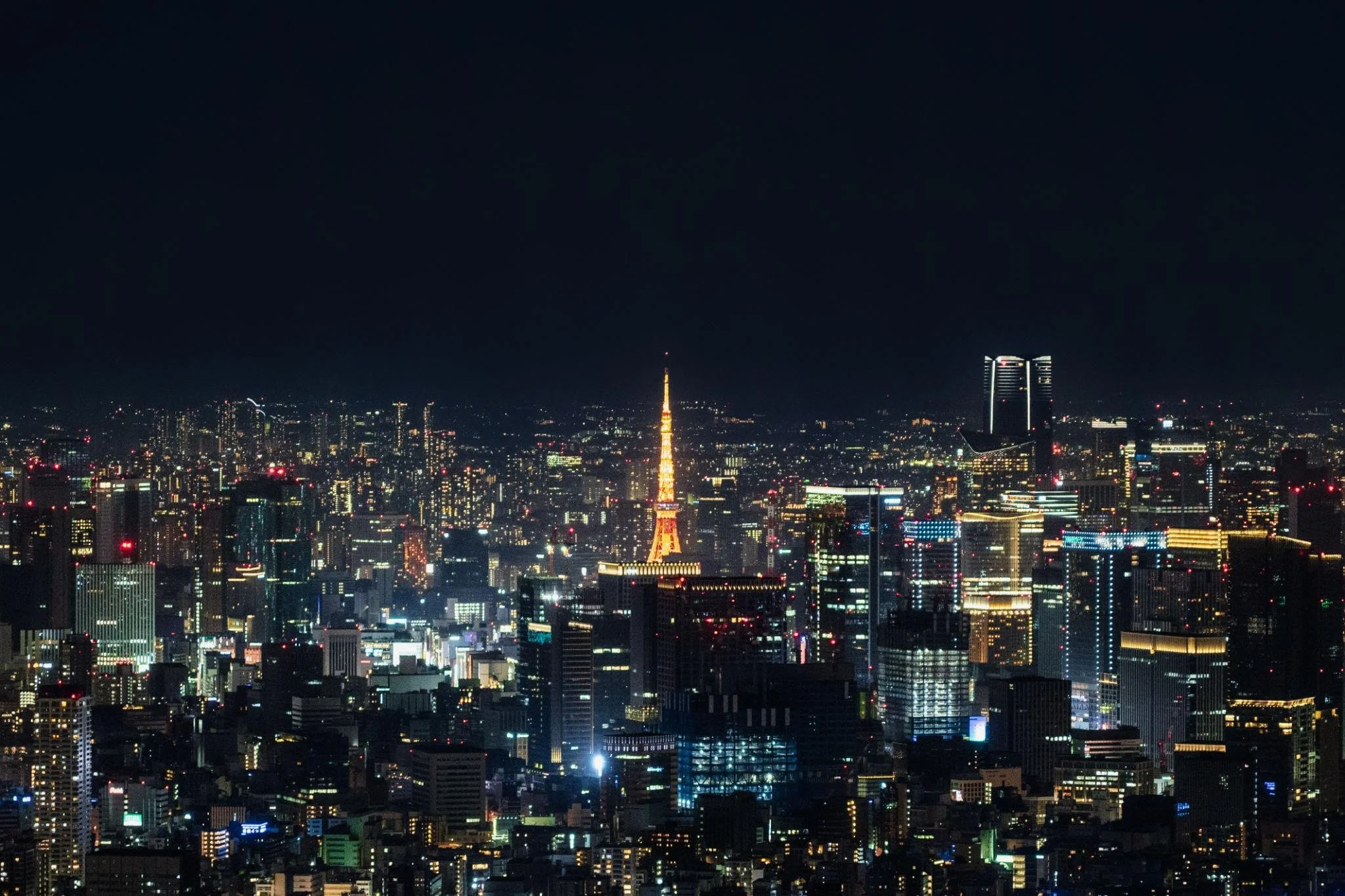
Tokyo is where most trips begin, and it’s unlike anywhere else.
What you’ll experience:
The famous Shibuya Crossing
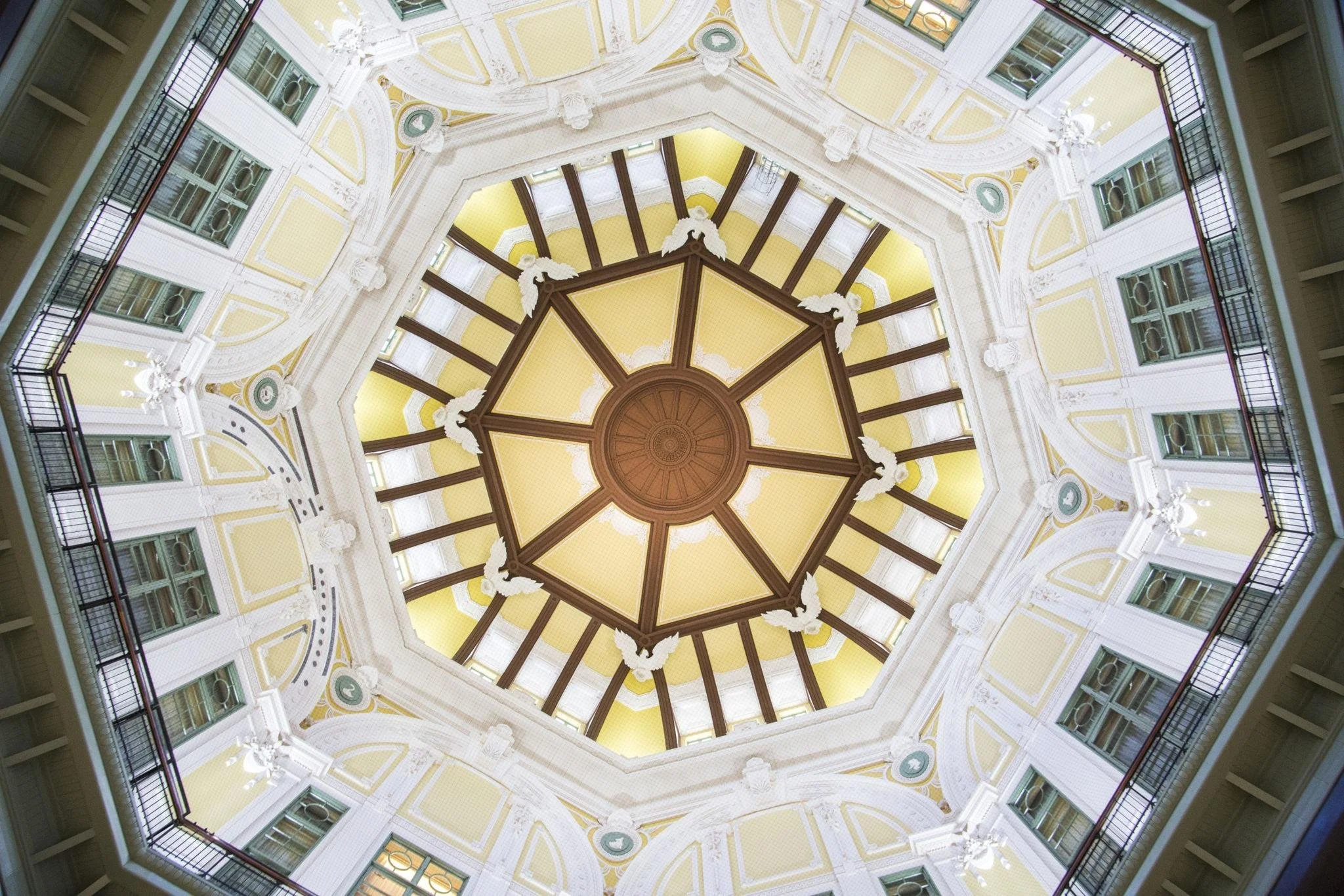
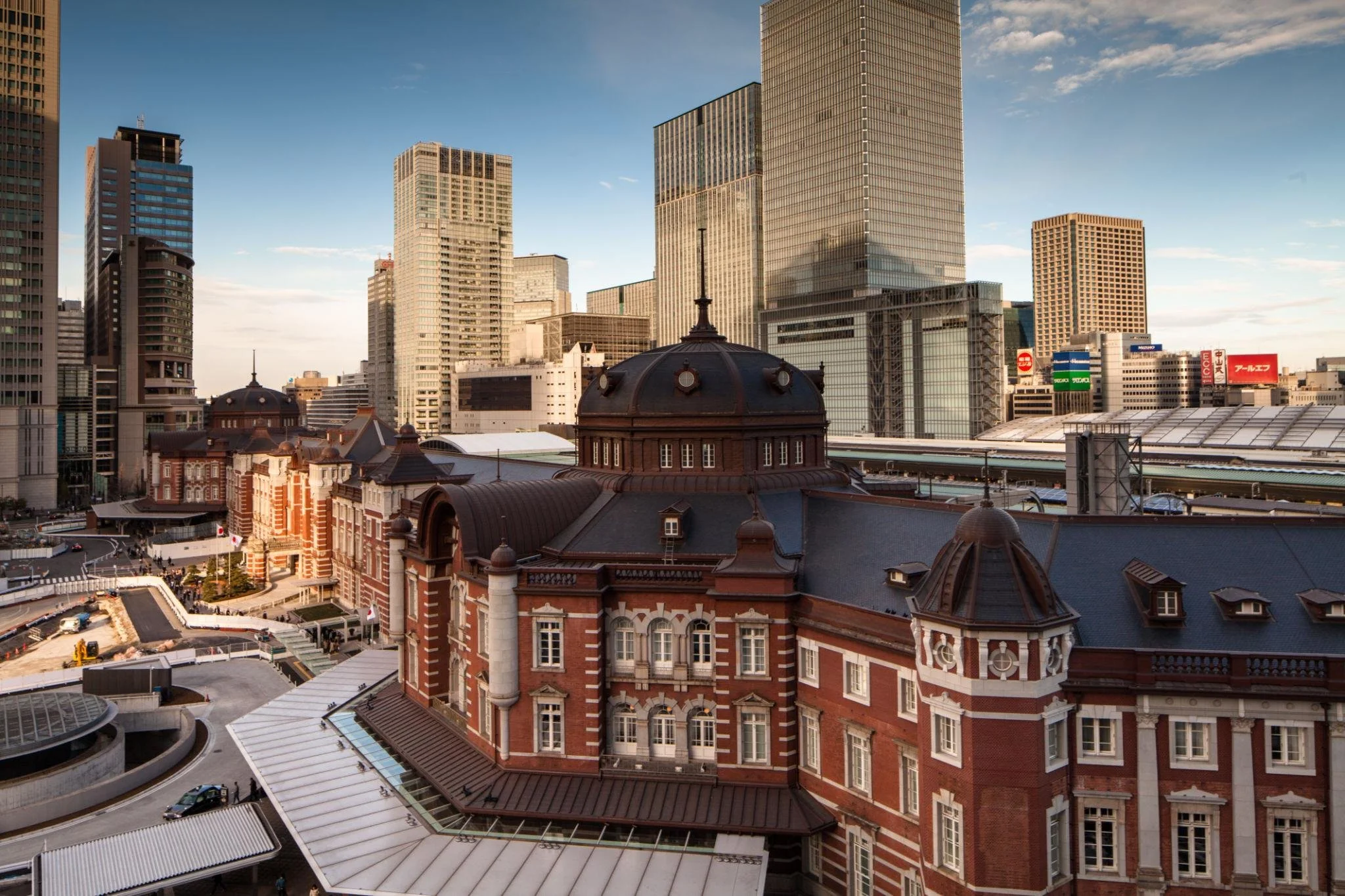
Massive train stations like Tokyo Station (beautiful but very complex)
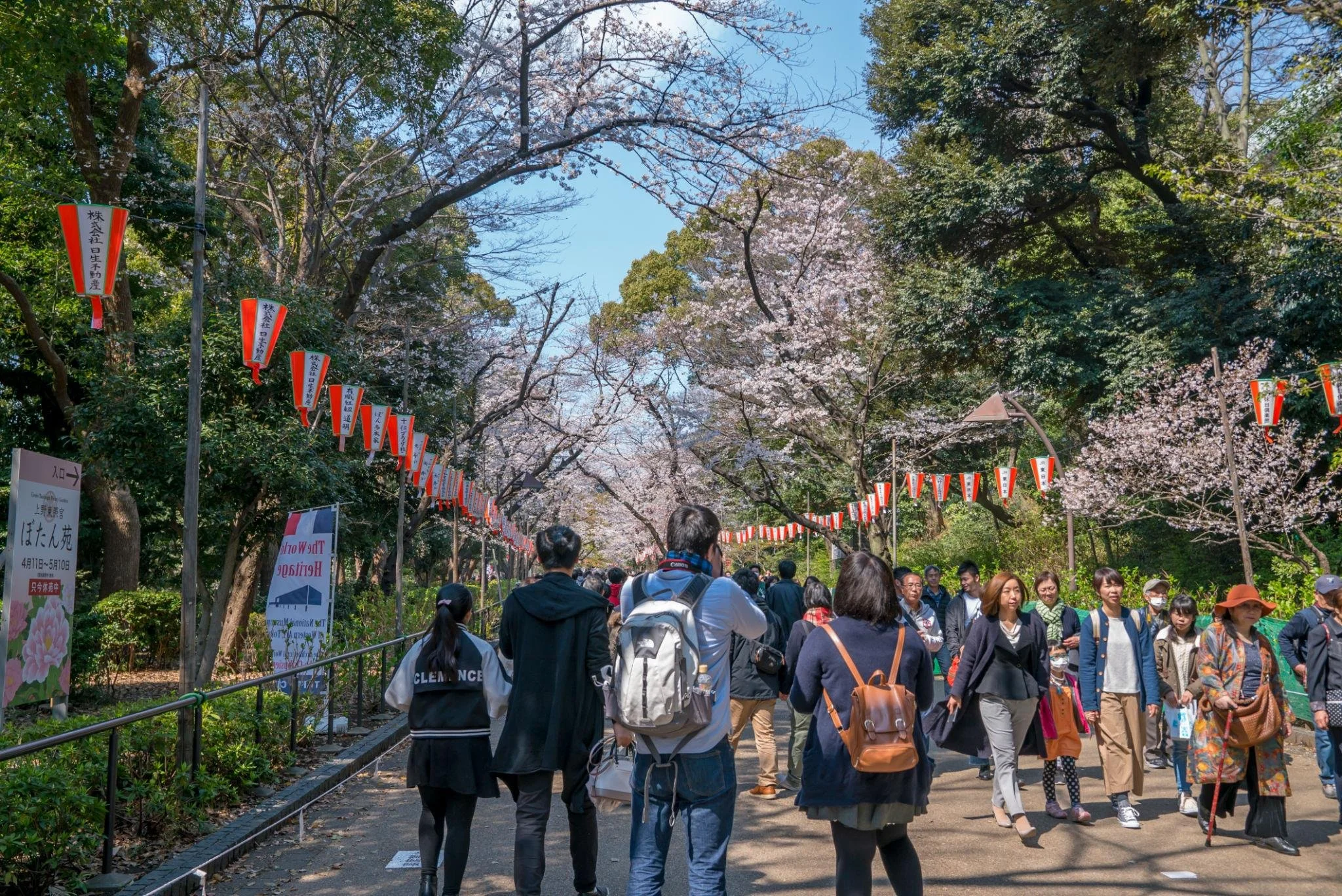
Parks like Ueno Park with museums and seasonal cherry blossoms
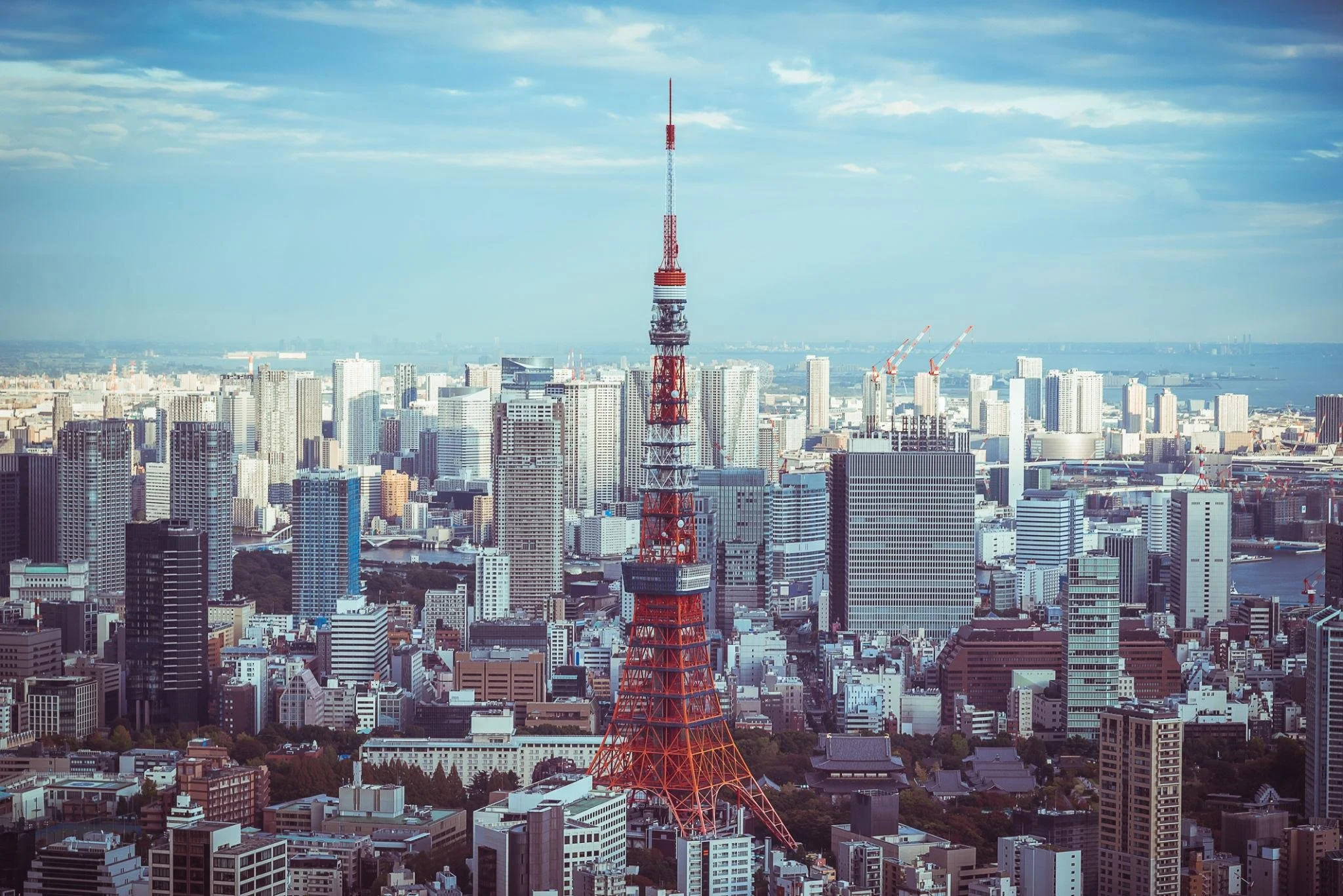
Observation spots like Tokyo Tower
Good to know:
Tokyo is incredibly safe and clean
The transit system is excellent, but it can feel overwhelming without a plan
Kyoto: Traditional Japan You’ve Seen in Photos
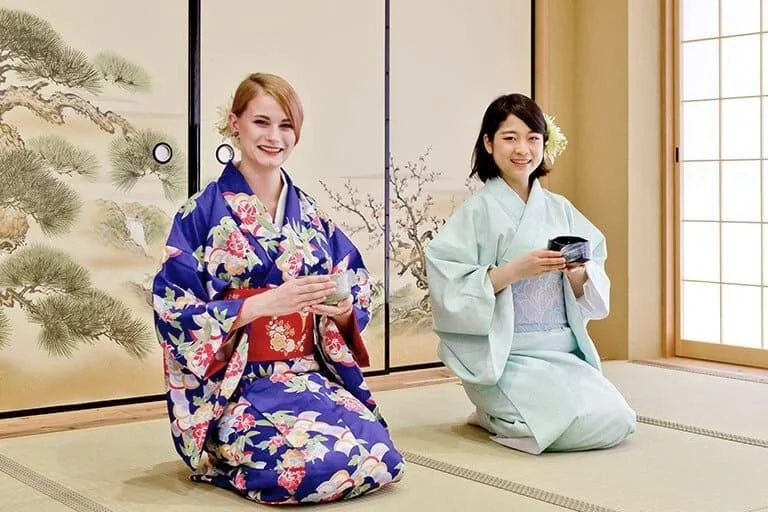
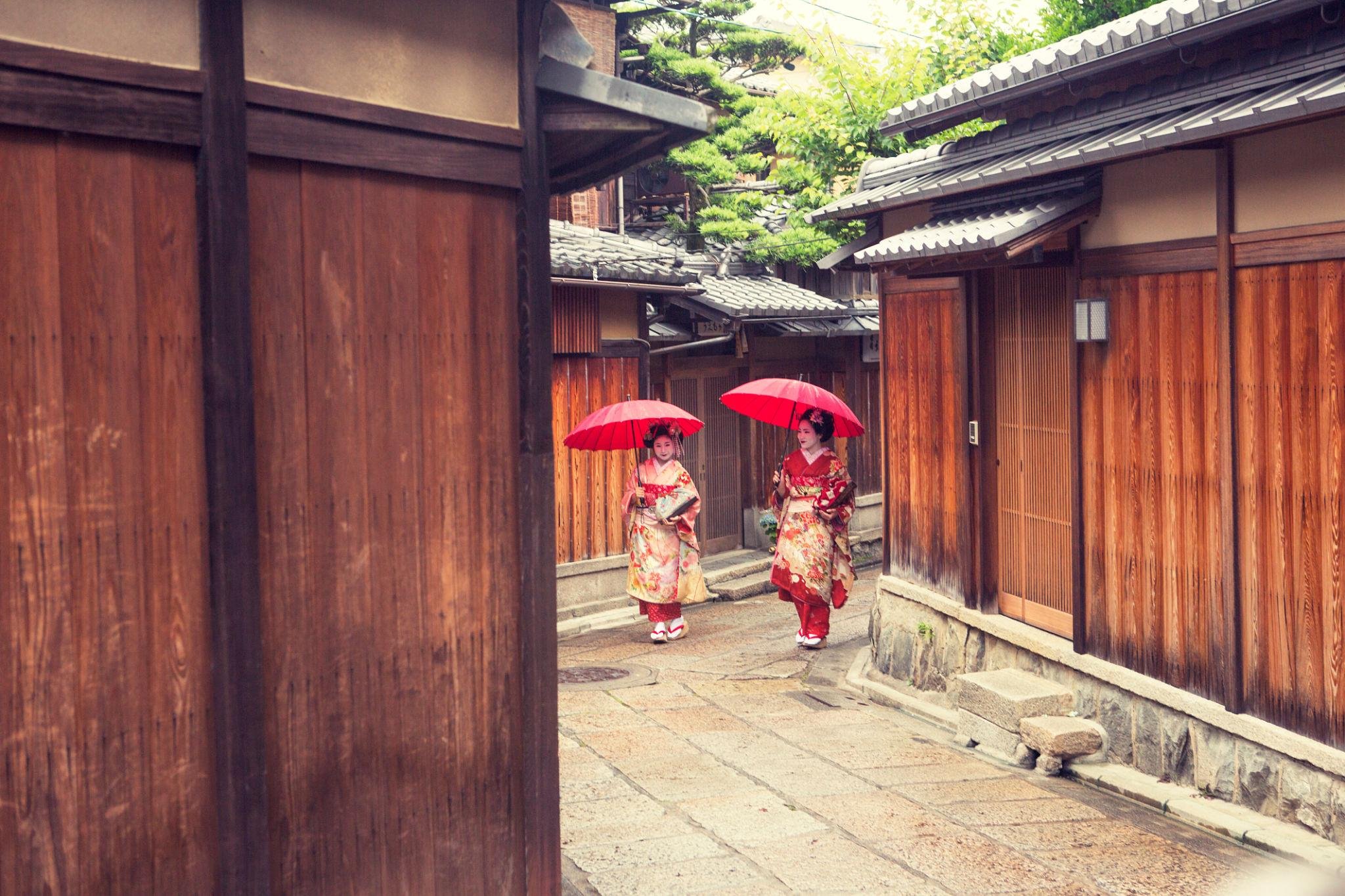
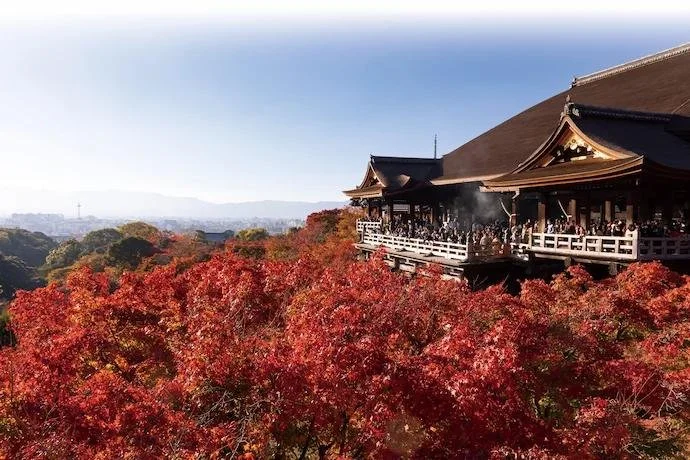
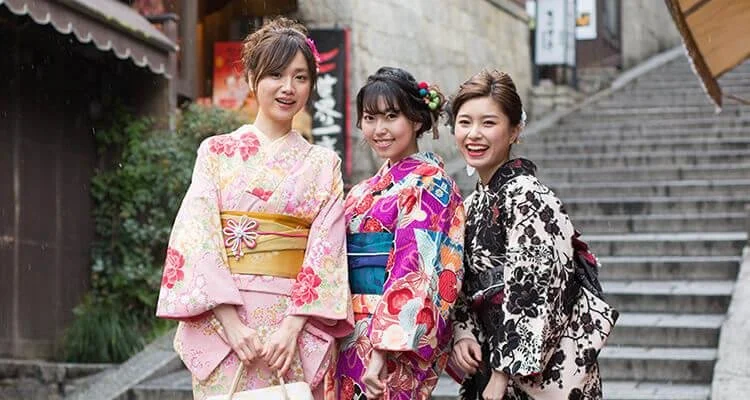
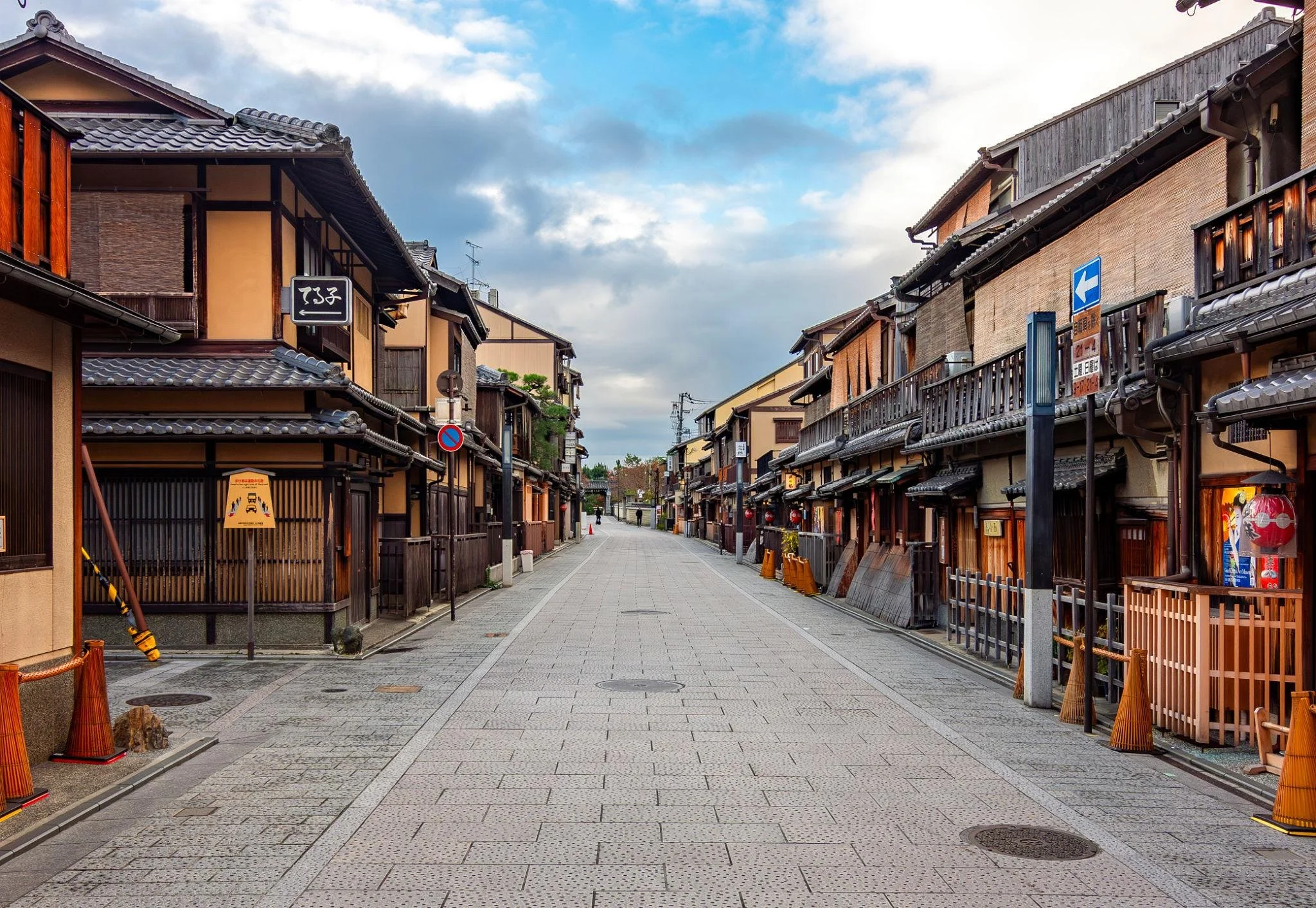
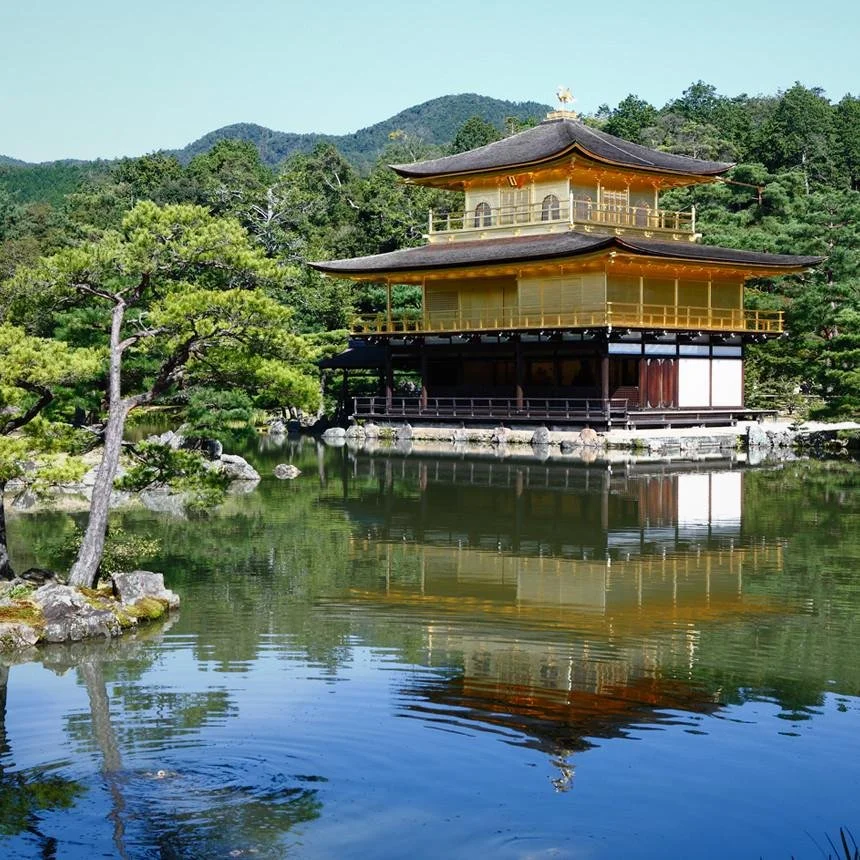
Kyoto is where you go for the classic Japan experience.
What you’ll find:
Historic temples like the Golden Pavilion
Traditional neighborhoods and geisha districts
Cultural experiences like tea ceremonies and kimono rentals
Kyoto is typically paired with Tokyo and is easily reached by the bullet train (Shinkansen).
Hakone & Nikko: Slower Pace + Nature
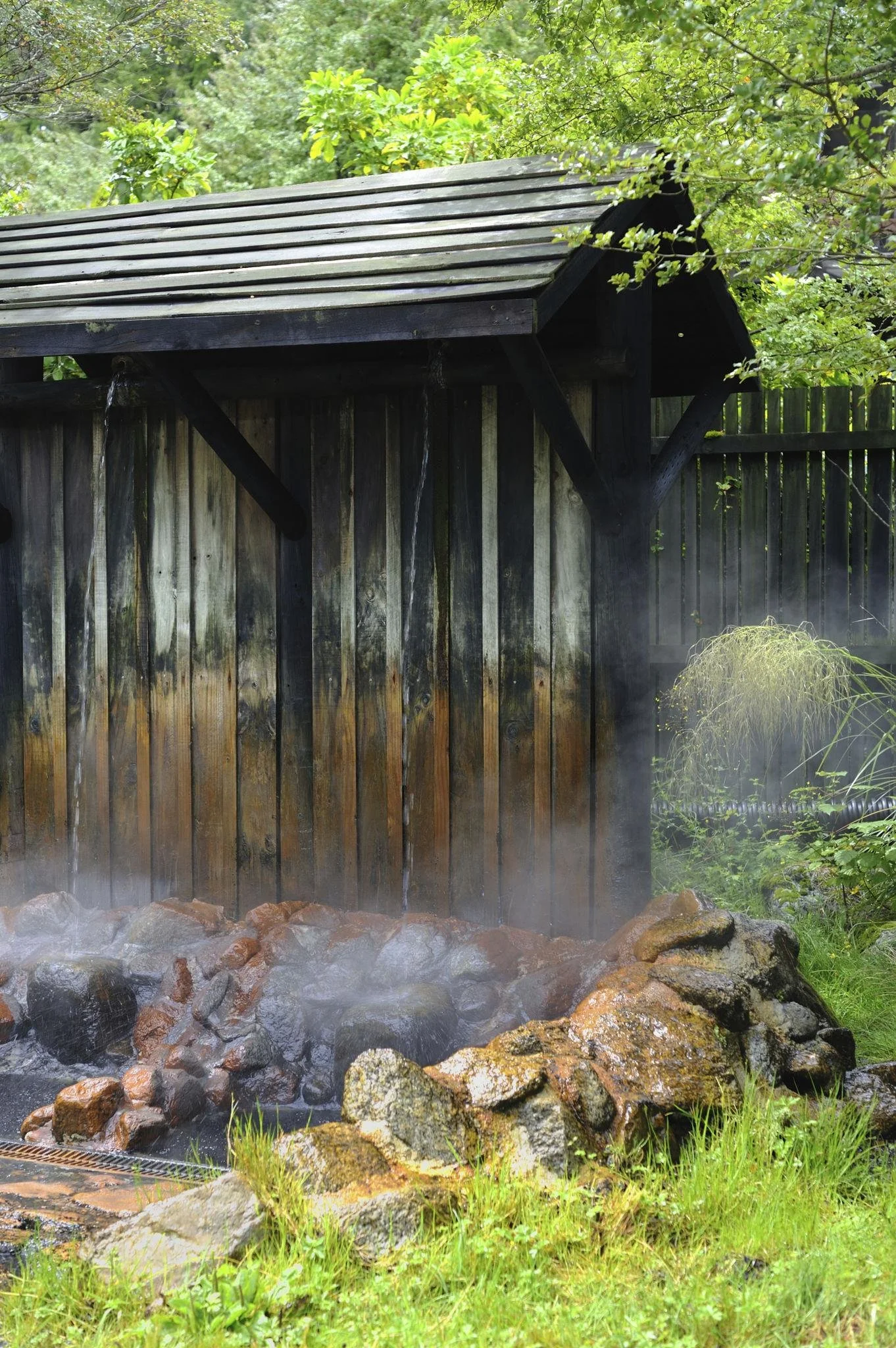
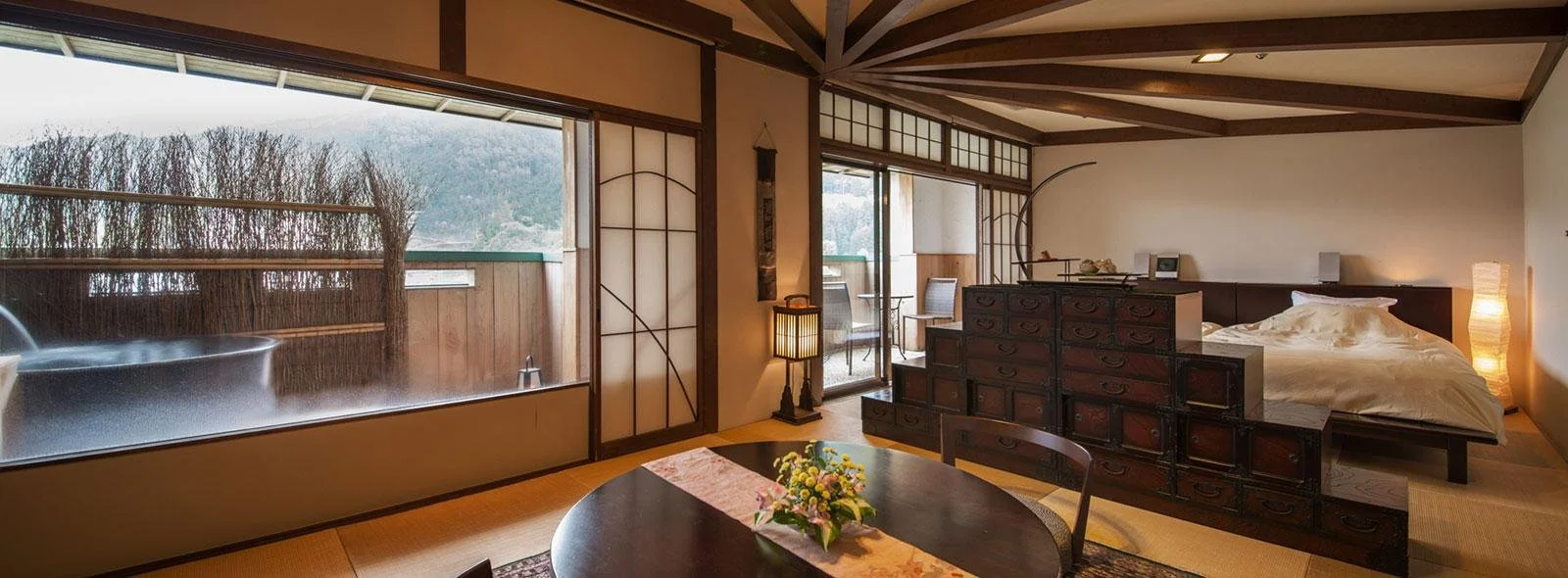
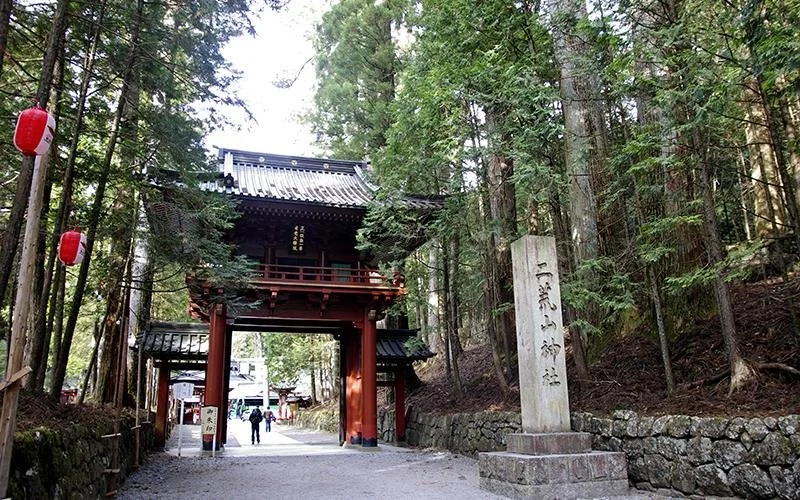
If you want a break from the cities, these areas are worth adding.
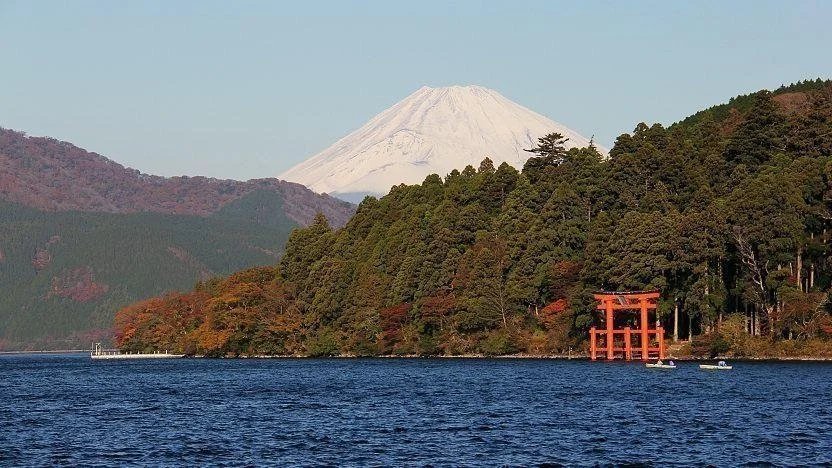
Hakone
Known for lake views and proximity to Mount Fuji
Great for relaxing stays and scenic experiences
Nikko
Cooler mountain destination
Famous for temples and natural surroundings
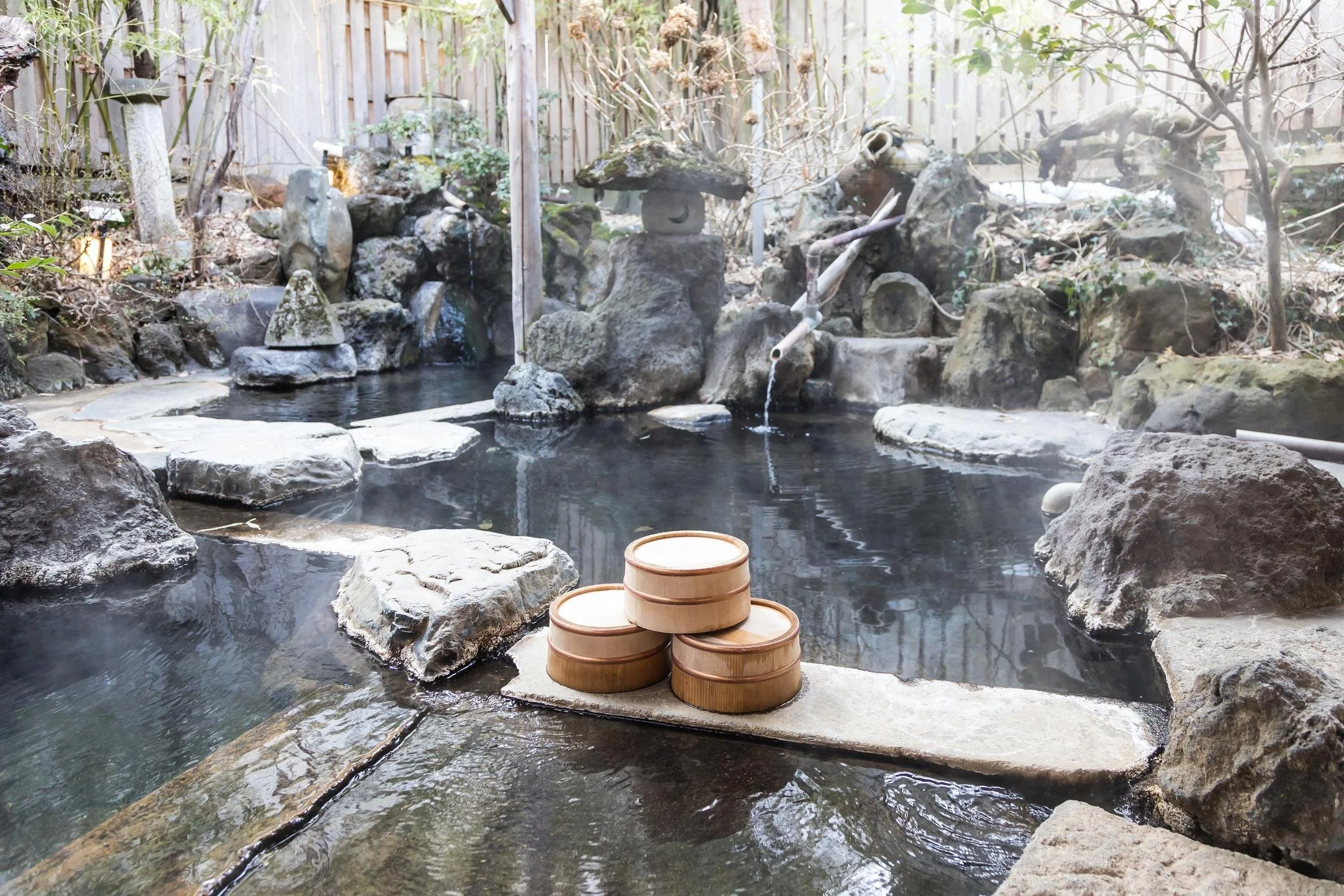
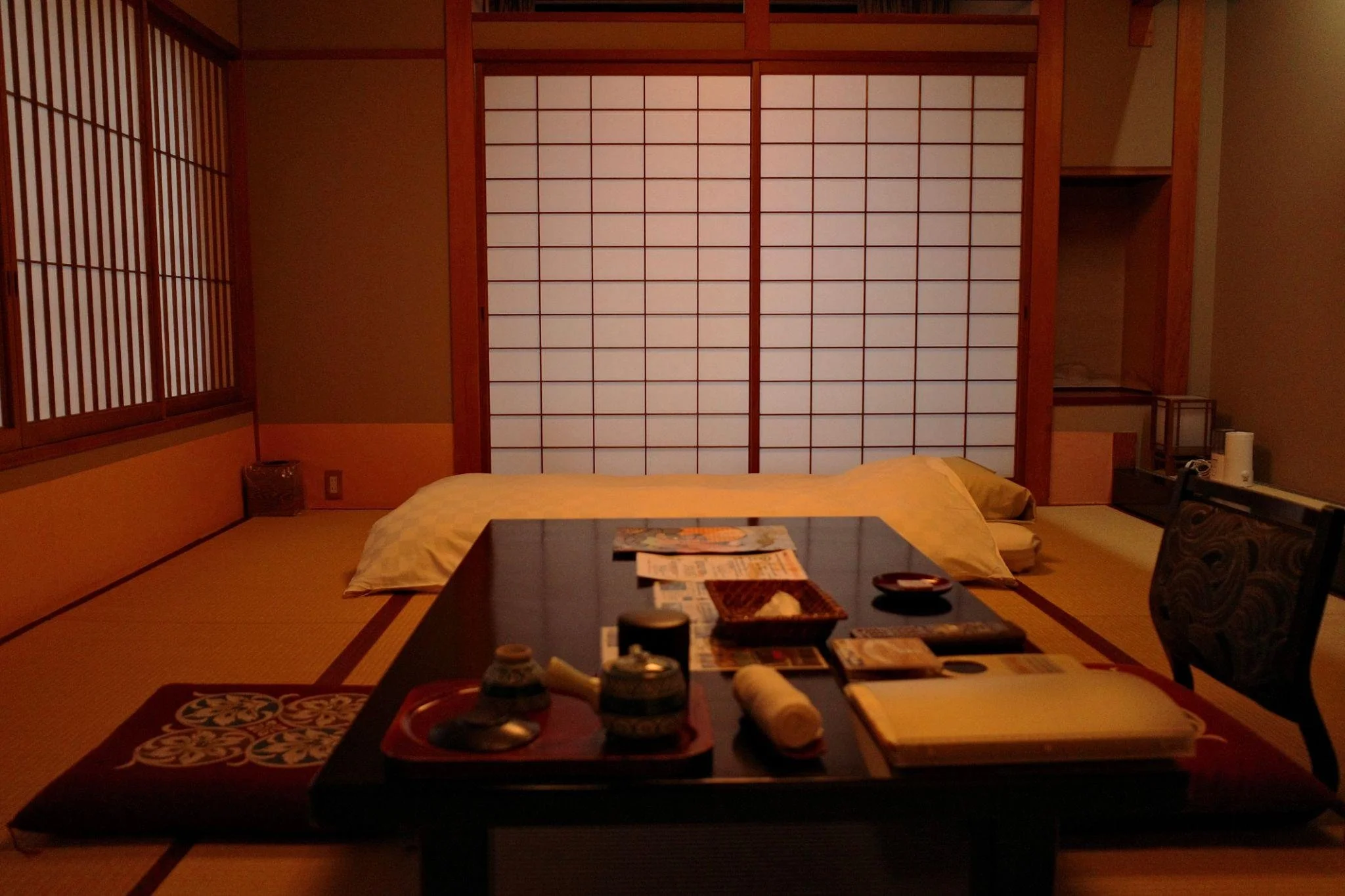
This is also where many travelers experience a traditional ryokan stay, which includes:
Sleeping on futons
Multi-course Japanese meals
Onsen (hot spring bathing)
Experiences That Make Japan Worth the Trip
This is where Japan really stands out.
Some of the most popular experiences include:
Sushi-making classes with professional chefs
Visiting local markets and food tours
Tea ceremonies and cultural workshops
Walking tours through historic districts
Viewing cherry blossoms in spring
Many of these experiences have limited availability and strict booking rules, so planning ahead matters.
Getting Around Japan (What You Should Know)
Japan’s transportation system is one of the best in the world, but it’s not always simple.
Here’s what to expect:
The bullet train (Shinkansen) connects major cities quickly
Train stations (especially in Tokyo) can be very large and confusing
Public transit runs on a schedule and doesn’t operate all night
Rush hour trains are extremely crowded
Most travelers rely on apps like Google Maps and translation tools to get around.
Best Time to Visit Japan
Timing your trip makes a big difference.
Spring (March–April)
Cherry blossom season
One of the busiest and most expensive times to visit
Summer (July–August)
Very hot and humid, especially in cities
Fall (September–November)
Cooler weather and fall foliage
Typhoon season can extend into early fall
Winter (December–February)
Cold but great for skiing, especially in northern Japan
Things That Surprise First-Time Travelers
These are the details most people don’t think about:
Tipping is not expected and can actually be considered rude
Restaurants are often small and may require reservations
Many experiences must be booked well in advance
Public etiquette is important (quiet trains, organized lines)
Cash is still commonly used in some places
Japan is incredibly welcoming, but it does operate differently than the U.S.
Do You Need Help Planning a Japan Trip?
You can plan Japan on your own.
But here’s where most people run into issues:
Navigating train systems between cities
Booking restaurants and experiences with limited availability
Coordinating multi-city itineraries
Understanding where to stay for the best experience
That’s why many travelers choose to work with someone who already understands how it all fits together.
Final Thoughts
Japan is one of those trips that lives up to the hype.
It’s beautiful, efficient, culturally rich, and completely different from anywhere else.
But it’s also a destination where the planning side matters just as much as the destination itself.
If it’s done right, it’s seamless and unforgettable.
If it’s not… it can feel overwhelming fast.
Thinking About Japan?
If Japan is on your list and you want help making it feel simple instead of stressful, I can help you map it out step by step.
No pressure. Just real guidance so you actually enjoy the trip you’re planning.
Let’s figure out what your version of Japan looks like.
